

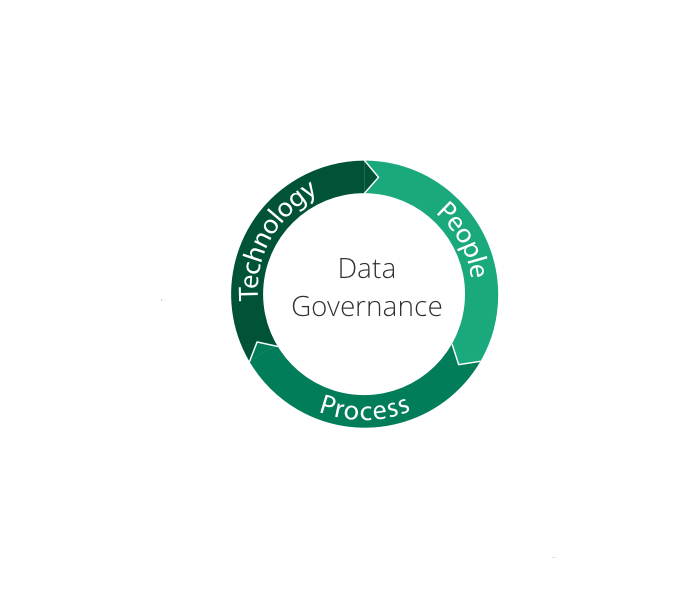
A data governance framework is a set of guidelines, policies, and procedures that organizations use to manage their data assets. It provides a structured approach to ensuring that data is properly managed, secured, and used in an effective and efficient manner. A well-designed data governance framework can help organizations ensure that their data is accurate, trustworthy, and available when needed. Here are the key components of a data governance framework:
- Data Governance Structure: The first component of a data governance framework is the governance structure itself. This includes defining the roles and responsibilities of individuals and teams involved in data management, such as data stewards, data owners, and data custodians. It also includes the establishment of a data governance council or steering committee to oversee the governance program.
- Data Policies and Standards: The second component of a data governance framework is the development of data policies and standards. These policies and standards define the rules and guidelines for the collection, storage, processing, and sharing of data. They also include guidelines for data quality, security, and privacy.
- Data Quality Management: The third component of a data governance framework is data quality management. This includes defining the processes for monitoring and measuring data quality, identifying data quality issues, and taking corrective actions to resolve them. It also includes establishing data quality metrics and conducting regular audits to ensure compliance with data quality standards.
- Data Security and Privacy: The fourth component of a data governance framework is data security and privacy. This includes the development of policies and procedures for data security and privacy, such as access controls, encryption, and data classification. It also includes compliance with data protection regulations and the establishment of data protection agreements with third-party vendors.
- Data Lifecycle Management: The fifth component of a data governance framework is data lifecycle management. This includes defining the processes for the creation, storage, use, and disposal of data. It also includes establishing retention policies, data archiving, and data destruction processes.
- Data Governance Metrics: The final component of a data governance framework is data governance metrics. These metrics are used to measure the effectiveness of the governance program and track progress towards achieving data governance goals. Metrics may include data quality metrics, data security metrics, and compliance metrics.
In conclusion, a well-designed data governance framework is essential for organizations that want to ensure that their data is properly managed, secure, and used in an effective and efficient manner. By following the key components of a data governance framework, organizations can establish a structured approach to data management and ensure that their data is accurate, trustworthy, and available when needed.
Thank you for being of assistance to me. I really loved this article.