

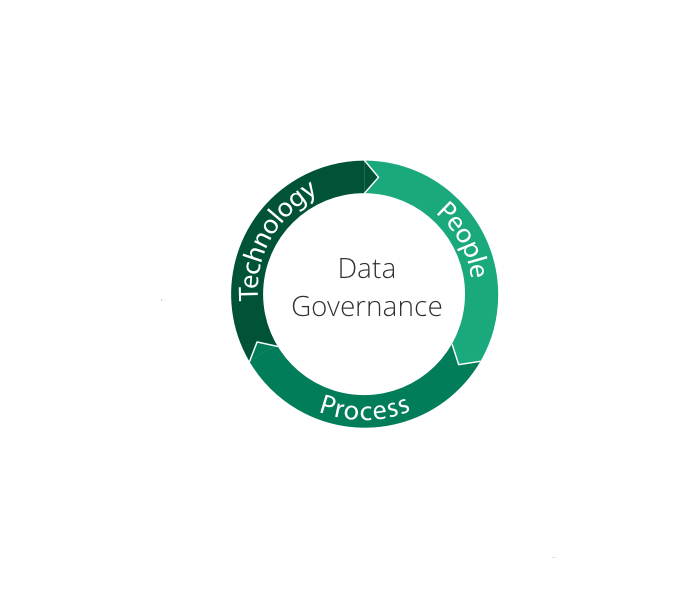
Our data-heavy world makes a solid data governance program mandatory. It’s no exaggeration to say that any business today that doesn’t have a data governance strategy puts itself at unnecessary risk. Here are the goals of a healthy, effective data governance model:
- Ensure consistent business decisions based on reliable data
- Boost data security by establishing data ownership
- Increase the overall value of data
- Improve both internal and external communication reliability of data
- Monetize the data to increase profits
- Meet regulatory requirements
- Establish consistent rules for data use
- Reduce overhead costs
Data Governance Advantages:
The line between goals and benefits gets same as because the met goals ultimately turn into advantages. At the risk of redundancy, let’s list the benefits of data governance.
- Data value increases
- Improved standards for data policies, systems, and procedures
- creates platform that meets the demands of different regulation
- Since valuable data fuels commercial success in today’s digital world, this gives the company an edge over the competition
- Greater transparency in data-related activities
- Revenue growth, and costs reduction
- data analytics gives useful insights
- Improves cybersecurity, protecting corporate assets from theft and tampering
Data Governance Challenges:
Although the benefits of enterprise data governance appear self-evident, some organizations push back on the concept. Here are a few challenges facing data governance:
- Budgetary Concerns : Initial Implementation is Costly
- Dichotomy Between Flexibility and Standardization : It isn’t easy finding the right balance between adhering to a set of governance standards and having flexibility. Where do you draw the line?
- Business Culture Clashes : Data governance relies on an open corporate culture, which entails accepting new ideas and methodologies.